What we mean by health technology
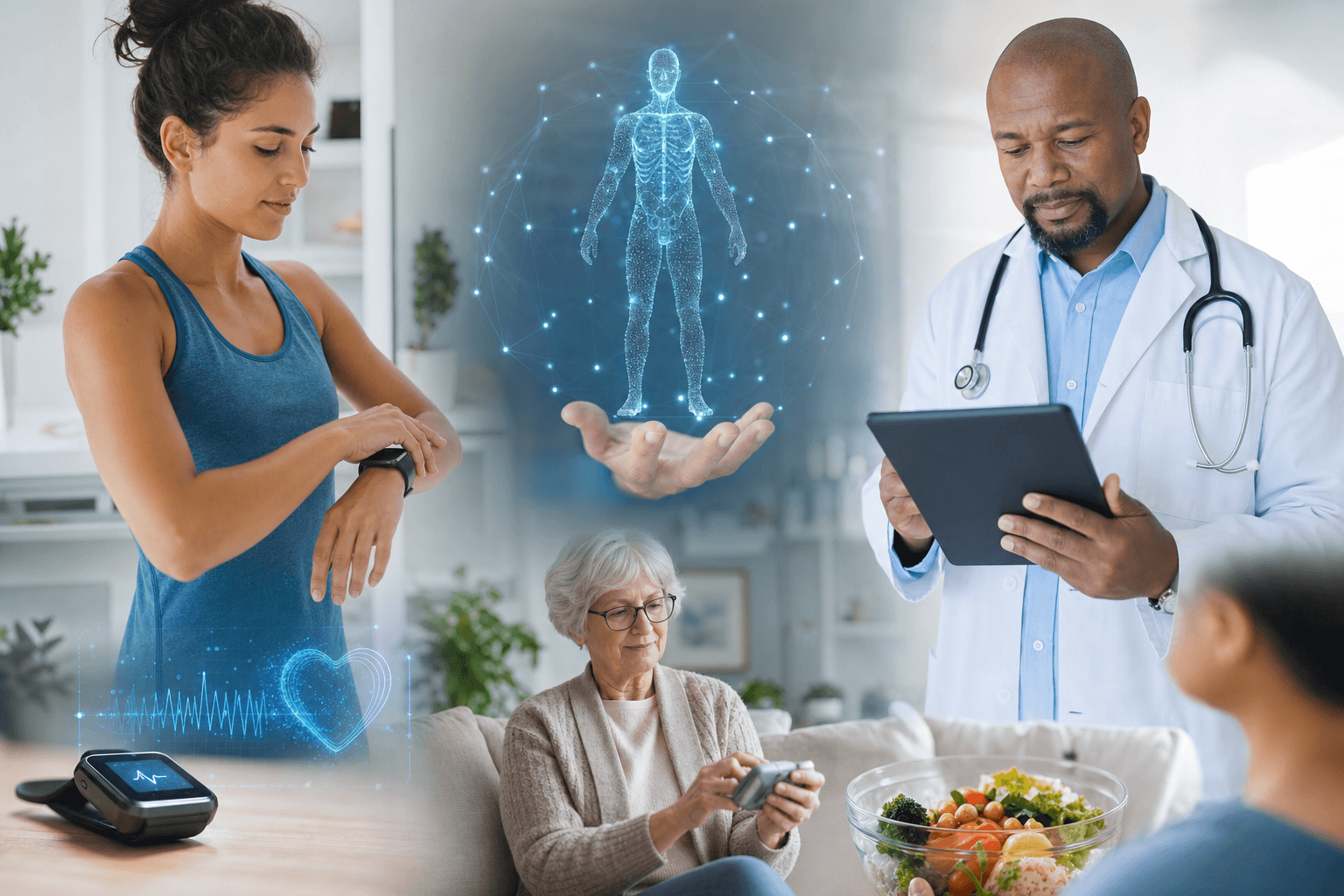
Health technology is a broad term, and that is part of what makes it confusing. At its simplest, it covers any tool, device or software designed to help people stay well, manage a condition, or receive care more easily. That includes the fitness band on your wrist, the blood pressure monitor in your bathroom, the app that reminds you to take medication, and the large diagnostic machines you only ever see inside a hospital.
What ties these very different things together is a shared goal. Each one tries to turn information about your body or your habits into something useful: a number you can act on, an alert that arrives in time, or a record your doctor can read.
The main categories
It helps to group health technology into a few families.
Wearables and personal devices
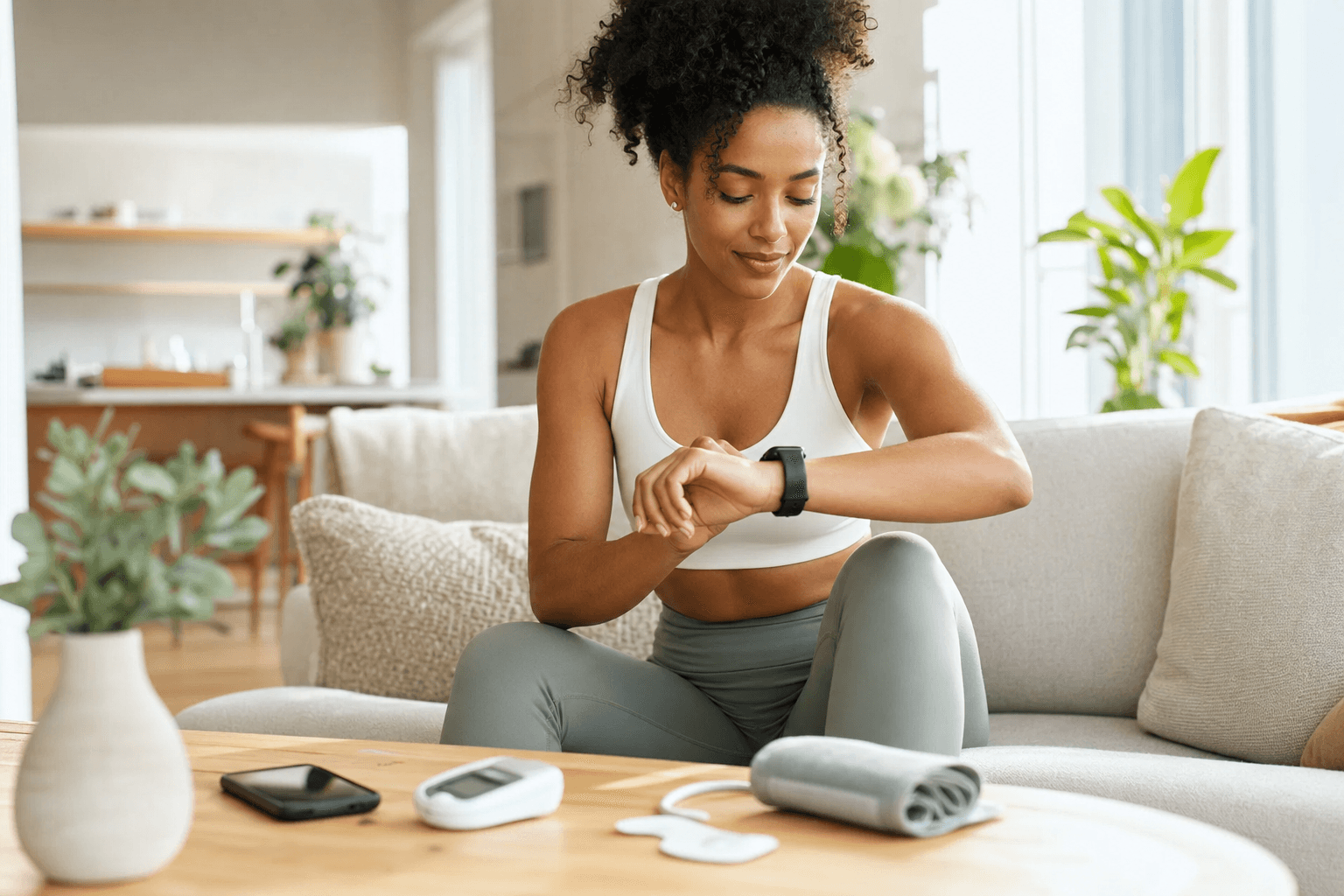
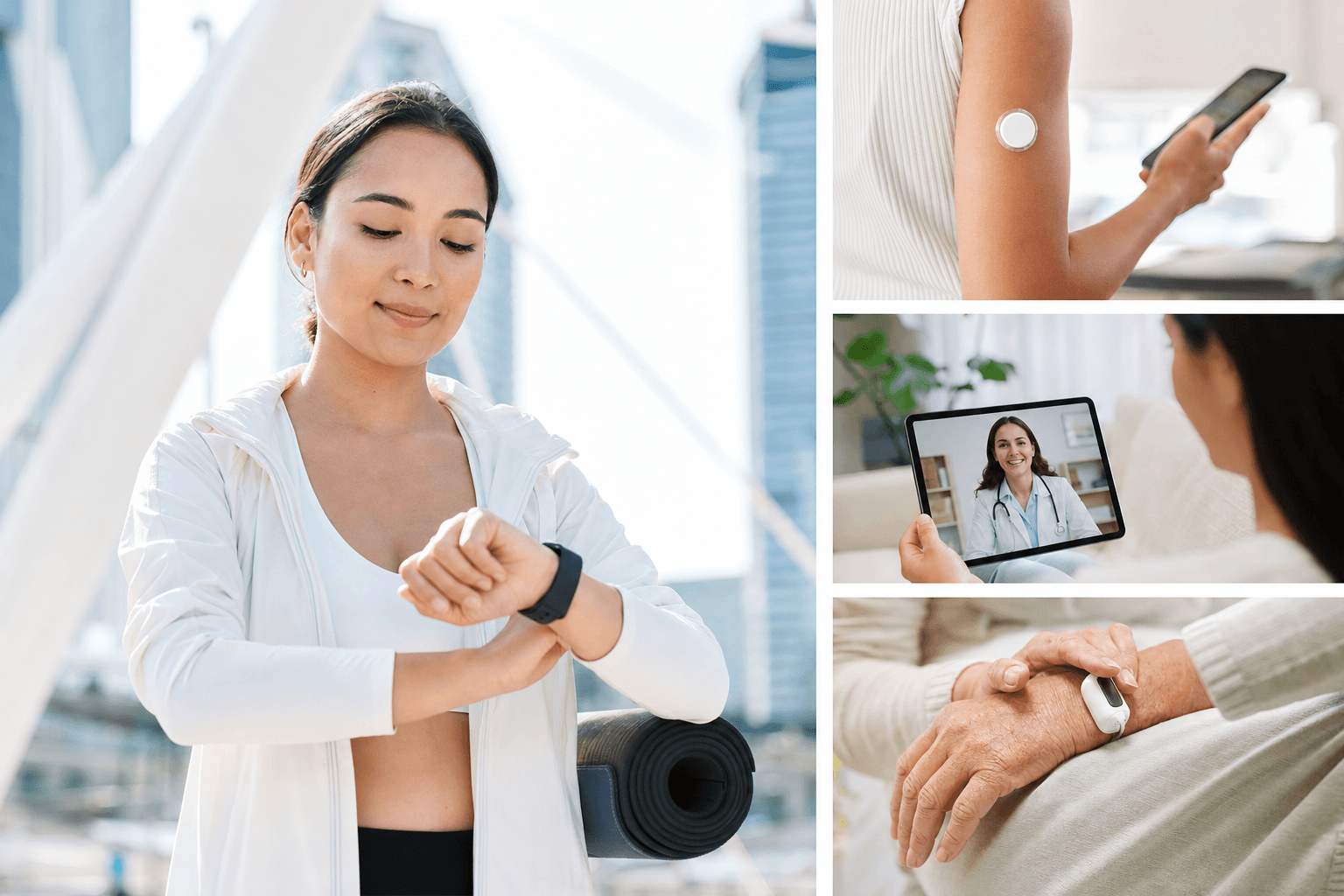
These are the gadgets you own and use yourself, such as smartwatches, step counters, glucose monitors and home blood pressure cuffs. They measure something about you and usually show it on a screen or phone.
Digital health tools
This family lives mostly in software. Think of symptom checkers, medication reminders, mental wellbeing apps and platforms that let you book or attend appointments online. They do not measure your body directly, but they organise information and guide behaviour.
Clinical and diagnostic technology
This is the equipment used by trained professionals, including imaging scanners, laboratory analysers and the systems that store your medical records. You rarely interact with these directly, yet they shape much of the care you receive.
Why it matters now
Health technology is not new. Thermometers and stethoscopes are technology too. What has changed is the speed, the cost and the connectivity. A sensor that once filled a room can now sit on your finger. Data that once stayed on paper can now move, with your permission, to the people helping you.
This matters for three practical reasons.
First, it supports prevention. When you can see a trend in your own numbers, such as a resting heart rate that keeps climbing, you have a chance to ask questions before a small issue becomes a large one.
Second, it widens access. For people who live far from a specialist, or who find travel difficult, a connected device or a video consultation can shorten the distance between a question and an answer. In an island setting like Mauritius, where care is concentrated in certain areas, that reach is valuable.
Third, it can make care more personal. When a clinician has a fuller picture of your daily life, not just a single snapshot from one visit, advice can be tailored more closely to you.
What it does not do
It is just as important to be clear about the limits. A device can measure, but it cannot diagnose on its own. A wellbeing app can encourage, but it cannot replace treatment. Numbers can mislead when they are taken out of context, and more data is not automatically better data.
Health technology works best as a support for the relationship between you and your care team, not a substitute for it. If a reading worries you, or a tool suggests something serious, that is a signal to talk to your doctor, not to act alone.
How to think about it as a reader
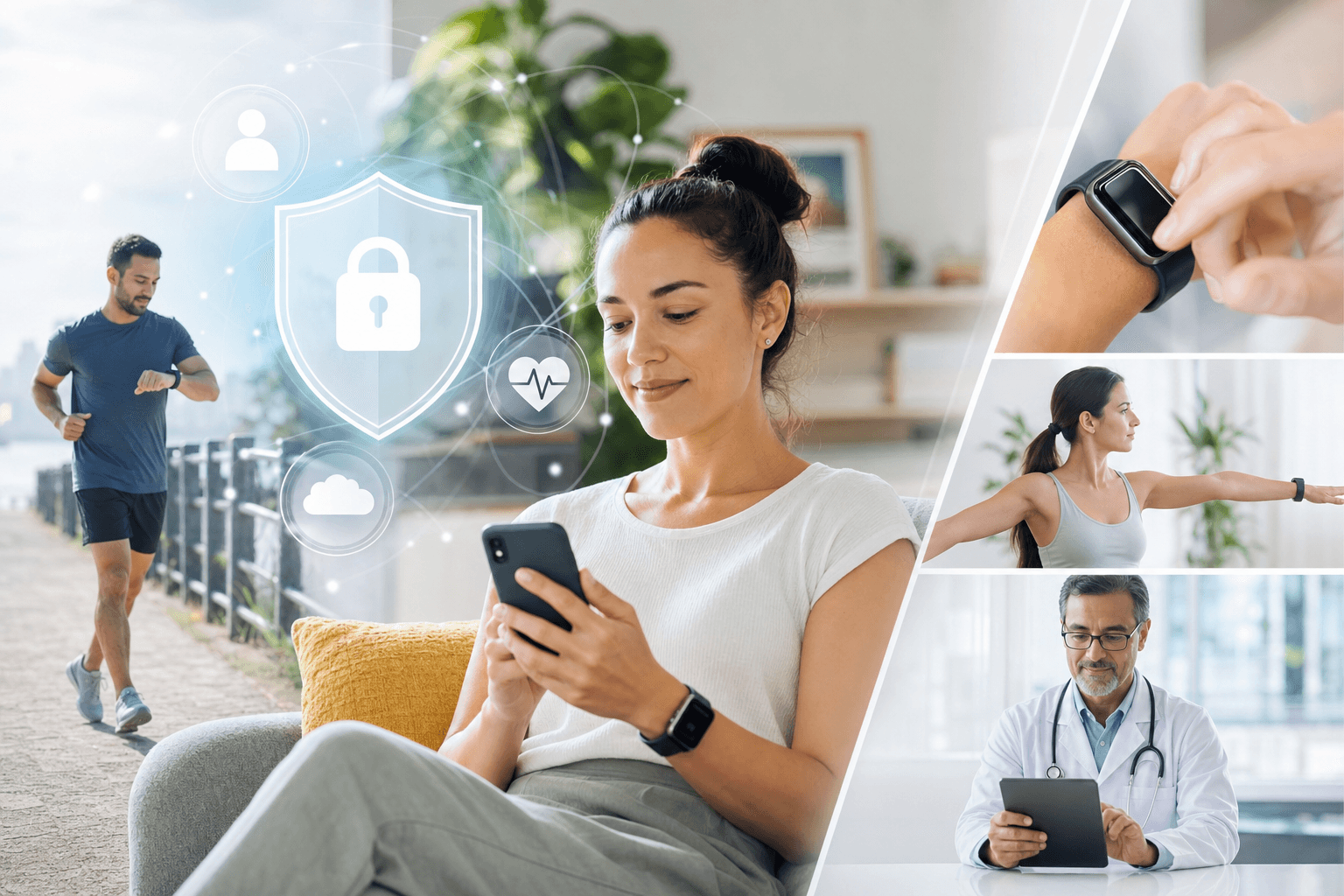
Throughout this site we will look at specific tools and ask the same practical questions of each one. What does it actually measure? How accurate is it? Who sees the data? And does using it change anything you would do?
That last question is the most useful. A clever device that does not change a single decision is, for most people, an expensive distraction. A simple tool that nudges you to move more, sleep better or attend a screening can quietly add good years to your life.
A sensible starting point
You do not need to adopt everything at once. Start with one question about your own health that you genuinely want to answer, then look for the simplest tool that helps. Treat the readings as conversation starters rather than verdicts, and bring anything surprising to a professional who knows your history.
Health technology matters because, used well, it gives ordinary people more visibility and a little more control. Used carelessly, it adds noise. The aim of this guide is to help you tell the difference.
Smart health technology supports a longer, healthier life. Explore the wider Medtech health ecosystem.