The device on your wrist
Wearables have moved from novelty to normal in just a few years. A modern smartwatch or fitness band can count your steps, estimate your heart rate, track your sleep and, on some models, record a basic heart rhythm. Understanding how they do this, and where they fall short, helps you use the numbers wisely.
How wearables sense your body
Most wrist wearables rely on a small set of sensors.
Motion sensors
An accelerometer detects movement. By counting the rhythmic bounce of your arm as you walk, the device estimates steps. The same sensor helps guess how restless you are at night. Because it infers activity from motion, it can be fooled. Pushing a trolley can undercount steps, and waving your hands can add a few that you never took.
Optical heart rate sensors
The green lights on the back of the watch shine into your skin. Blood absorbs light differently as it pulses, so the device reads the rhythm of that change to estimate heart rate. This works well at rest and during steady exercise, but tattoos, cold skin, a loose strap or rapid movement can reduce accuracy.
ECG and other advanced features
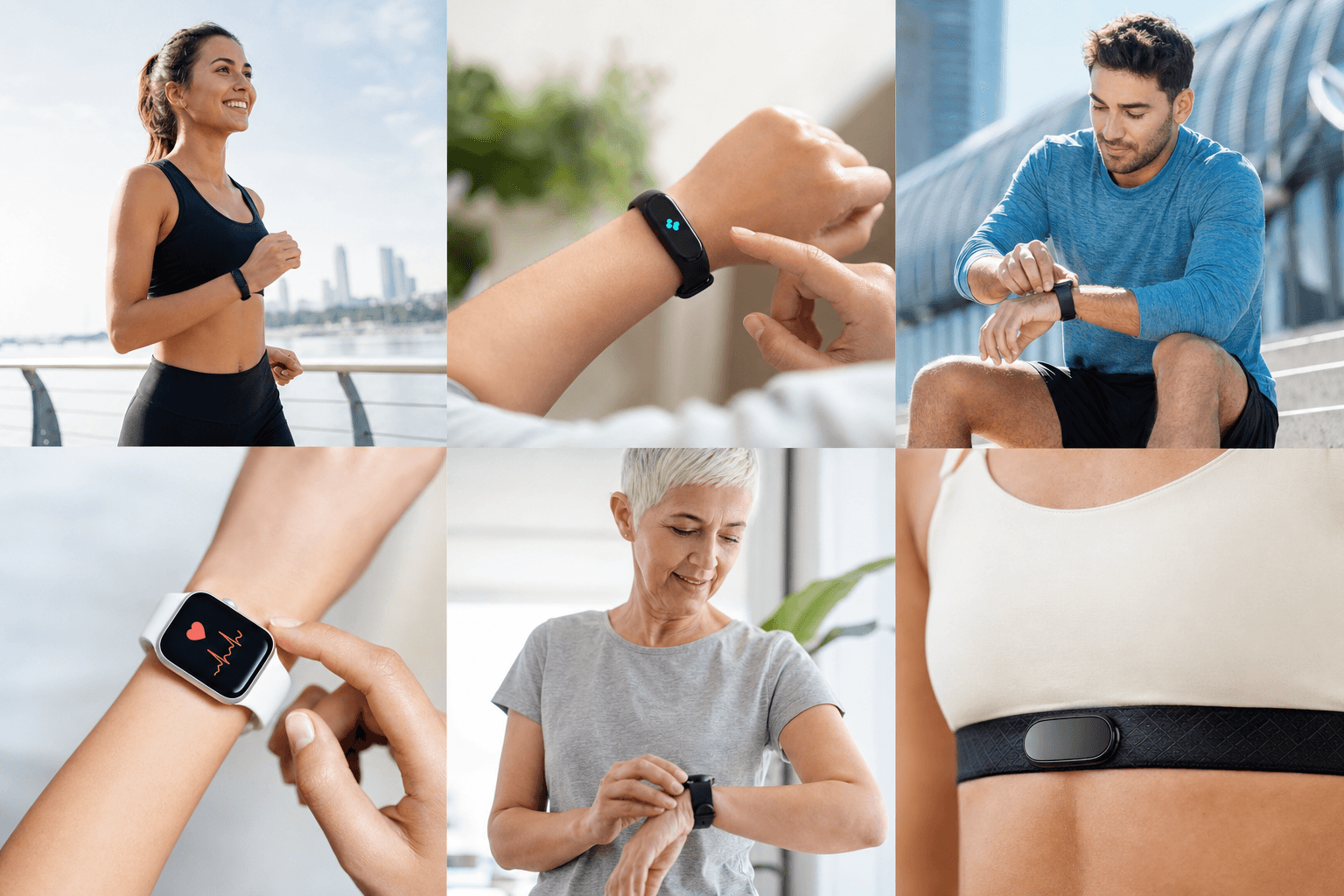
Some watches add an electrical sensor that records a single-lead electrocardiogram, or ECG, when you touch the crown. This can flag an irregular rhythm such as atrial fibrillation. It is a genuinely useful screening tool, but it is not the same as a full clinical ECG, and it is designed to prompt a conversation, not to confirm a diagnosis.
What the numbers really mean
The headline figures are estimates, not laboratory measurements. The familiar target of ten thousand steps a day, for example, began as a marketing slogan in the 1960s, not a medical rule. Research suggests meaningful health benefits often appear well below that, somewhere in the range of seven thousand to eight thousand steps for many adults, with gains continuing as activity rises.
The value of wearable data is mostly in trends, not single readings. One night of poor sleep tells you little. A month of consistently short sleep is worth noticing. A resting heart rate that slowly drifts upward over weeks, with no clear reason, is the kind of pattern worth mentioning to a doctor.
Useful, with caveats
Wearables shine at a few specific jobs. They make activity visible, and visibility tends to encourage movement. They can remind you to stand, to breathe or to wind down. For some people, a rhythm alert has genuinely led to an early and important diagnosis.
They are weaker as precise instruments. Calorie counts are rough estimates. Sleep stage breakdowns are educated guesses. Blood oxygen readings on consumer devices can vary. Treating these figures as exact can cause needless worry or false confidence.
Avoiding the anxiety trap
There is a real risk of becoming a nervous watcher of your own data. If every slightly raised heart rate sends you spiralling, the device is harming rather than helping. A healthier approach is to check trends occasionally, set one or two simple goals, and otherwise let the watch fade into the background.
If a wearable repeatedly flags something unusual, such as an irregular rhythm, do not diagnose yourself from an app screen. Save the data, note how you felt, and talk to your doctor. A device alert is a prompt for a professional check, not a conclusion.
Choosing one for the right reason
Before buying, ask what question you want answered. If you simply want to move more, a basic step counter is plenty. If you have a specific concern about heart rhythm, a watch with an ECG feature may add value, ideally after a chat with your clinician about whether it suits you.
In Mauritius, where warm weather makes hydration and heat a real factor in exercise, the simple activity and heart rate features often matter more day to day than the flashier extras.
The bottom line
A wearable is a friendly, imperfect coach. Used to spot trends and nudge better habits, it earns its place on your wrist. Used as a medical oracle, it will eventually mislead you. Read the patterns, ignore the noise, and let a professional interpret anything that genuinely concerns you.
Smart health technology supports a longer, healthier life. Explore the wider Medtech health ecosystem.